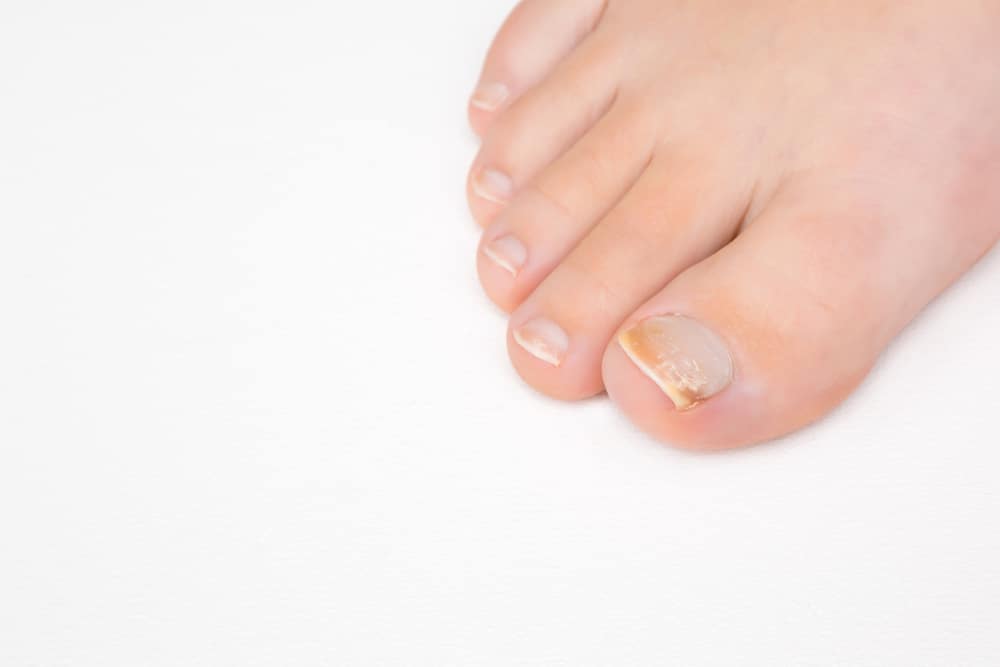

Nail Psoriasis or Nail Fungus? How Dermatologists Tell the Difference
A yellow, thick, or crumbling nail does not automatically mean fungus. At Dermatology Consultants of Short Hills, we examine nail changes alongside the skin and scalp to identify the likely cause before recommending care. Our psoriasis treatment team includes board-certified dermatologist Dr. David Ciocon, who completed a psoriasis research fellowship and has co-authored articles and chapters on psoriasis and nail disorders.
Why Psoriasis and Fungus Can Look Alike
Signs of nail psoriasis include small pits, roughness, discoloration, ridges, crumbling, or separation from the nail bed. Fungal infections also leave nails thick, brittle, discolored, or lifted. Because several signs overlap, appearance alone is not enough to tell these conditions apart.
Other symptoms offer useful context. Psoriasis sometimes affects the scalp or creates scaly patches elsewhere on the body, although some people notice nail changes before obvious skin plaques. Our guide to the symptoms of psoriasis explains how this condition involves more than the skin.
What We Look for During an Exam
Our dermatologists ask when the changes began, which nails are involved, and whether you have a personal or family history of psoriasis. We also look for inflammation around the nail, related skin findings, recent injuries, and possible exposure to fungus in damp shared spaces. Symptoms such as athlete’s foot add another useful clue.
When the cause is still unclear, a nail clipping or scraping may be examined for fungus. Testing helps avoid months of using an over-the-counter product that was never likely to help. Our article on nail care and fungal nail infections also explains why injury, infection, and other problems can alter nail color or texture.
Why an Accurate Diagnosis Matters
Antifungal medication will not control psoriasis, and psoriasis therapy is not intended to clear a fungal infection. Once we understand what is happening, we discuss an approach based on the diagnosis, the number of affected nails, and any symptoms elsewhere on your body. We also review habits that irritate the nails because repeated picking, scraping, or pressure often makes damaged nails harder to manage.
Our resources explain more about getting a proper psoriasis diagnosis and how psoriasis is treated. Fingernails and toenails grow slowly, so improvement often takes time even when the care plan is working.
Let Us Take a Closer Look at Your Nails
Persistent pitting, lifting, yellowing, or crumbling deserves more than guesswork. Call Dermatology Consultants of Short Hills at 973-232-6245 or contact us for an appointment with our dermatology team in Short Hills, New Jersey.