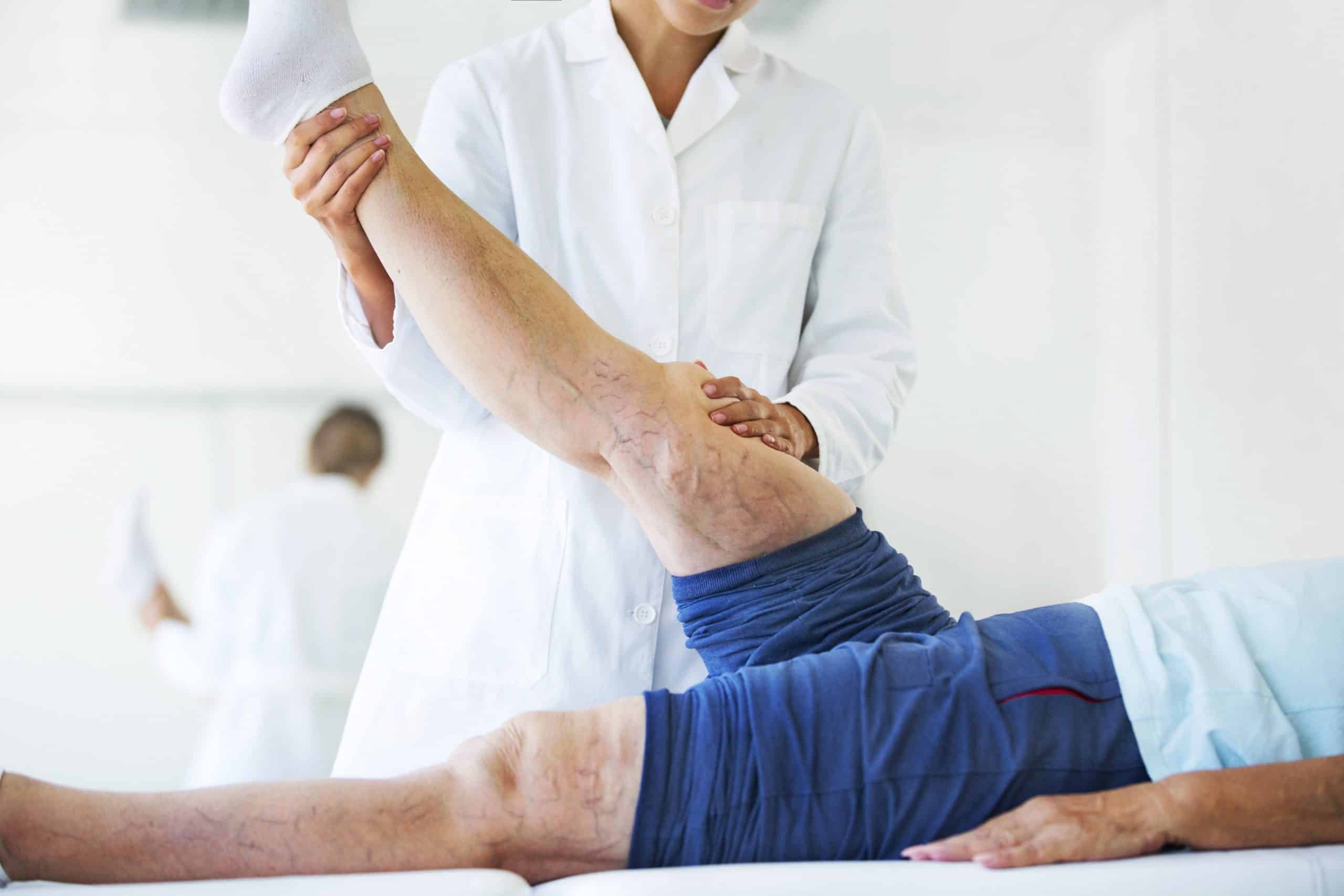

Genetic Risk Factors for Varicose Veins and What You Can Do About Them
Varicose veins can appear slowly or suddenly, leaving many people confused about why they develop in the first place. While lifestyle habits play a role, genetics remain one of the strongest influences. If a close family member has varicose veins, your chances of developing them increase. Understanding how heredity impacts vein structure can help you take meaningful steps toward healthier legs.
At Dermatology Consultants of Short Hills, patients receive care from board-certified dermatologists with advanced training from institutions such as Harvard, Columbia, and Vanderbilt. Their experience allows them to identify early signs of venous issues and recommend treatments like sclerotherapy based on your unique hereditary risks.
How Genetics Influence Varicose Vein Development
Your veins rely on small valves that help move blood upward toward the heart. When these valves weaken, blood pools and creates pressure that enlarges the veins. Genetics strongly influence the strength and integrity of these valves.
Inherited traits that increase risk may include:
- Valve weakness: Some people are born with valves that may weaken over time.
- Thinner vein walls: Genetics can influence the elasticity of vein tissue.
- Hormonal sensitivity: Women with a family history may experience more issues due to estrogen fluctuations.
- Slower circulation patterns: Some families inherit circulatory traits that affect blood flow.
These inherited factors make preventive care especially important for anyone with a strong family history.
Lifestyle Habits That Can Support Genetic Vein Health
Even when genetics play a major role, simple daily habits can reduce symptoms. These habits encourage healthier circulation and help reduce pressure inside the veins:
- Regular movement: Short walks promote better blood flow.
- Leg elevation: Raising your legs helps reduce pooling in the lower limbs.
- Weight management: Balanced weight reduces strain on veins.
- Supportive stockings: Compression improves circulation during daily activities.
- Awareness during long-standing periods: Shifting weight frequently helps minimize pressure.
Although these steps cannot change your genetic makeup, they can support healthier vein function.
Treatment Options When Genetics Play a Strong Role
When hereditary factors lead to visible or uncomfortable varicose veins, professional treatment may be the most effective solution. Sclerotherapy is the primary treatment at Dermatology Consultants of Short Hills. It involves injections that collapse weakened veins, allowing them to be safely absorbed by the body. Laser treatment may be recommended for veins unsuitable for sclerotherapy. Most patients achieve the best results after a series of 3 to 6 sessions.
Expert Vein Care for Long-Term Confidence
If varicose veins run in your family, early evaluation is one of the best ways to stay ahead of changes. Dermatology Consultants of Short Hills in Short Hills, NJ, offers guidance and treatment from experienced dermatologists who understand the genetic patterns behind vein conditions. Call (973) 232-6245 to schedule an appointment and learn how personalized care can improve your vein health.