
Postpartum Hair Loss: When Should You See a Dermatologist?
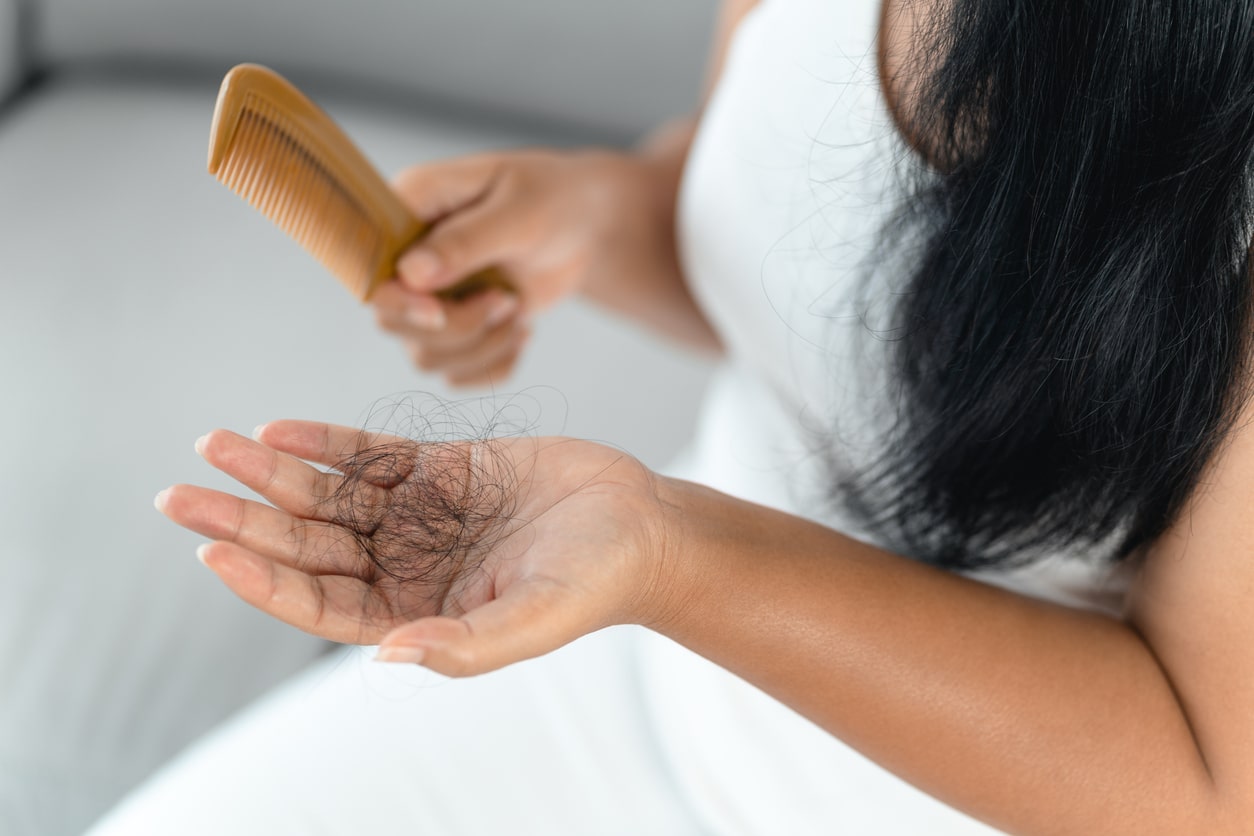
Seeing more strands than usual in the shower a few months after giving birth can be unsettling, but this change is often temporary. In Short Hills, New Jersey, Dr. Carolyn Kushner is a board-certified dermatologist with our team at Dermatology Consultants of Short Hills, and hair loss is one of her stated clinical interests. Our PRP injections page describes one option used for certain regrowth concerns, but routine postpartum shedding usually does not mean you need an in-office procedure.
What Is Typical After Pregnancy?
During pregnancy, higher estrogen levels keep more hairs in the growth phase. After delivery, estrogen drops and many hairs shift into the shedding phase around the same time. Dermatologists call this telogen effluvium.
The change often becomes noticeable a few months after childbirth and commonly peaks around four months postpartum. For many people, hair density gradually returns without treatment, with normal fullness often restored by a child’s first birthday.
Gentle hair care can help reduce extra breakage while you wait for regrowth. Avoid tight styles and unnecessary pulling or tension.
Signs It Is Worth Having Your Hair and Scalp Checked
You do not have to wait a full year to ask about a change that concerns you. Consider an evaluation if:
- Your hair has not regained its usual fullness after about a year. Another cause may be contributing.
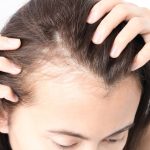
- The loss is patchy rather than spread throughout the scalp. Distinct bare areas do not fit the usual postpartum pattern.
- Your scalp is very itchy, sore, red, or scaly. A scalp condition may be present along with shedding.
- Thinning keeps progressing instead of gradually improving. Ongoing change deserves a closer look.
For example, scalp psoriasis can cause scaling, itching, irritation, and temporary hair loss. Symptoms like these should not automatically be written off as part of postpartum recovery.
Why Diagnosis Comes Before Hair-Loss Treatment
There is no single treatment that fits every type of hair loss. Postpartum telogen effluvium, female pattern hair loss, alopecia areata, and inflammatory scalp conditions behave differently and may require different care.
Our comparison of PRP and minoxidil discusses two options used for some forms of thinning hair, and we also have information on PRP for hair thinning and loss. Those treatments should not be treated as an automatic answer to postpartum shedding. First, it is important to identify what is causing the change and determine if regrowth is already occurring on its own.
Talk With Our Team About Hair Changes After Pregnancy
Questions about post-pregnancy shedding do not have to be answered through trial and error. Dr. Carolyn Kushner sees patients with hair-loss concerns at Dermatology Consultants of Short Hills. If the change seems unusual, continues longer than expected, or comes with scalp symptoms, contact us for an appointment in Short Hills or Morris Plains, New Jersey, or call 973-232-6245.