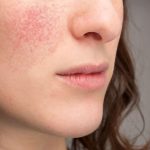

Ocular Rosacea: When Facial Redness Also Affects Your Eyes
Burning, gritty, or watery eyes do not always seem connected to facial flushing, yet rosacea sometimes involves both the skin and the eyes. Our team at Dermatology Consultants of Short Hills provides rosacea treatment in Short Hills, New Jersey. Board-certified Dr. Carolyn Kushner has a clinical interest in rosacea, and Dr. Amanda Dunec, a fellow of the American Academy of Dermatology, works with rosacea and complex medical dermatology.
What Ocular Rosacea May Feel Like
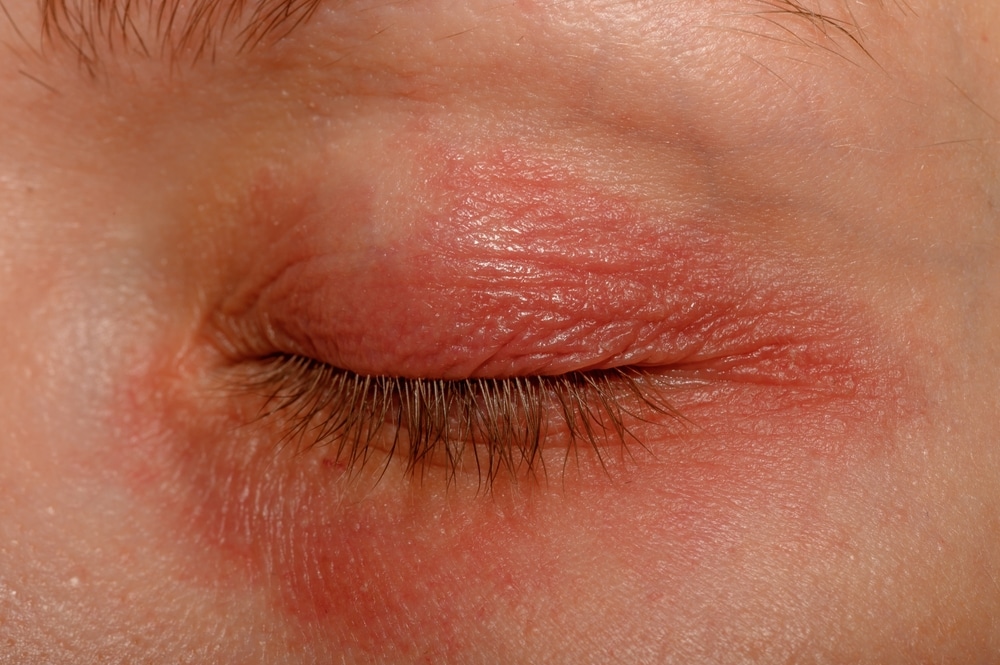
Rosacea-related eye symptoms often include burning, stinging, dryness, watering, redness, or a gritty sensation. Some people develop swollen eyelids, crusting around the lashes, light sensitivity, or repeated styes. These problems sometimes appear alongside facial redness and visible blood vessels, but the skin findings may be mild.
That overlap makes ocular rosacea easy to mistake for allergies, dry eye, or another eyelid condition. Eye symptoms can begin before facial changes become obvious, making the connection even less clear. Our guide to understanding rosacea and its treatment options describes eye irritation and swollen eyelids as possible parts of the condition.
When Eye Discomfort Needs Prompt Attention
Mention recurring eye irritation when you visit our office, even when facial symptoms seem minor. Our office examines the skin and eyelids, reviews how the symptoms come and go, and decides whether an ophthalmologist should also be involved. Bringing a list of eye drops, skin products, and recent flare patterns gives us helpful context.
Eye pain, blurred vision, marked light sensitivity, or a sudden change in sight should be evaluated promptly. Ocular inflammation can affect the surface of the eye, so these symptoms should not be treated as a routine cosmetic issue.
Caring for the Skin and Eyes Together
Management often includes gentle eyelid hygiene, warm compresses, medication, and care for facial inflammation. The exact approach depends on which areas are involved and how severe the irritation has become. When vision could be affected or specialized testing is needed, we coordinate with an eye doctor.
Rosacea often changes from one day to the next. Tracking facial flushing and ocular discomfort together can help reveal shared triggers such as sun exposure, heat, spicy foods, alcohol, or stress. Our articles on managing rosacea, recognizing the signs of rosacea, and how to treat rosacea offer more guidance for reducing flare-ups.
Bring Recurring Eye Irritation to Our Attention
Facial redness does not have to be severe for rosacea to affect the eyes. Contact us or call 973-232-6245 to arrange a rosacea visit with Dermatology Consultants of Short Hills in Short Hills, New Jersey.